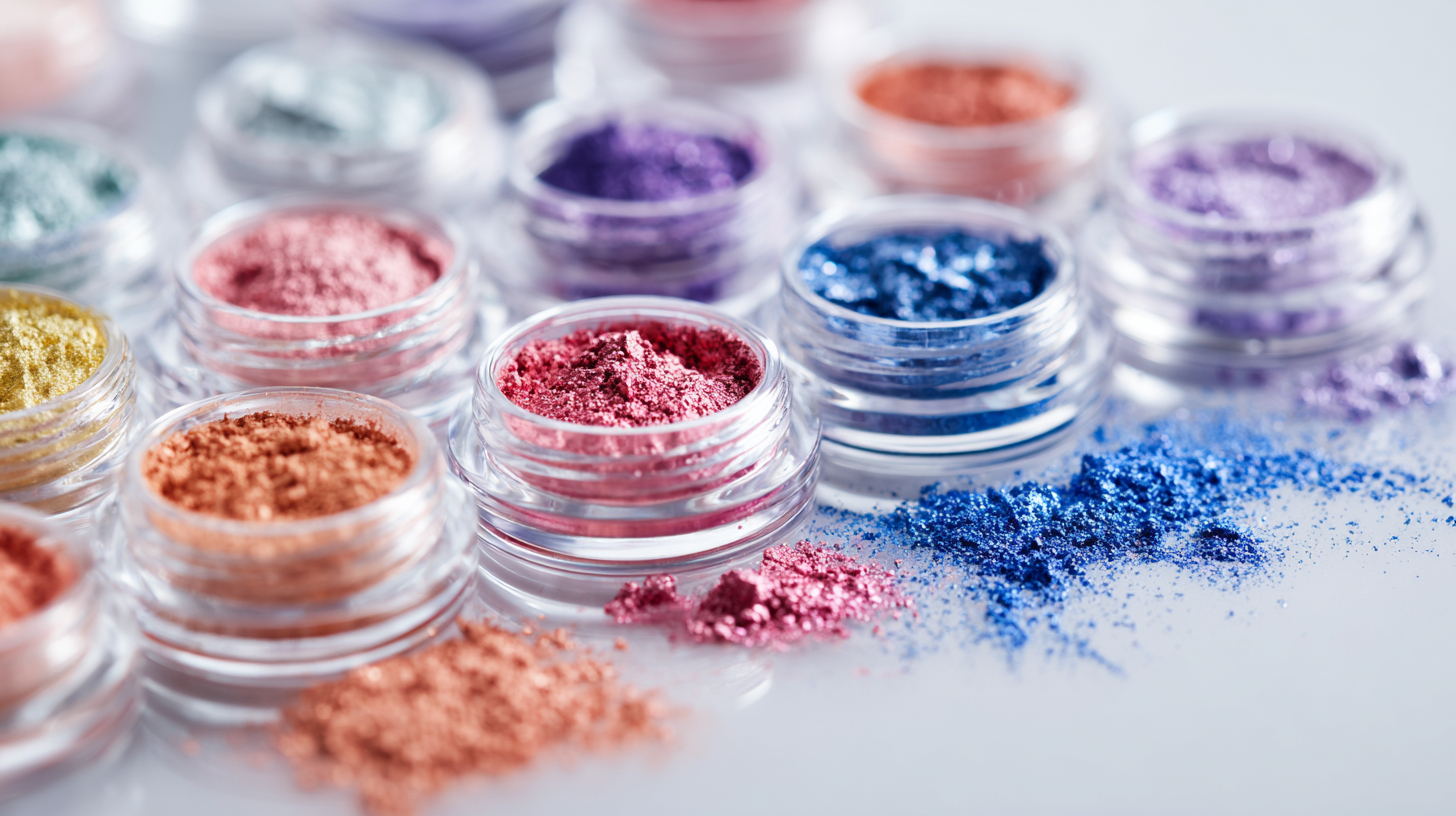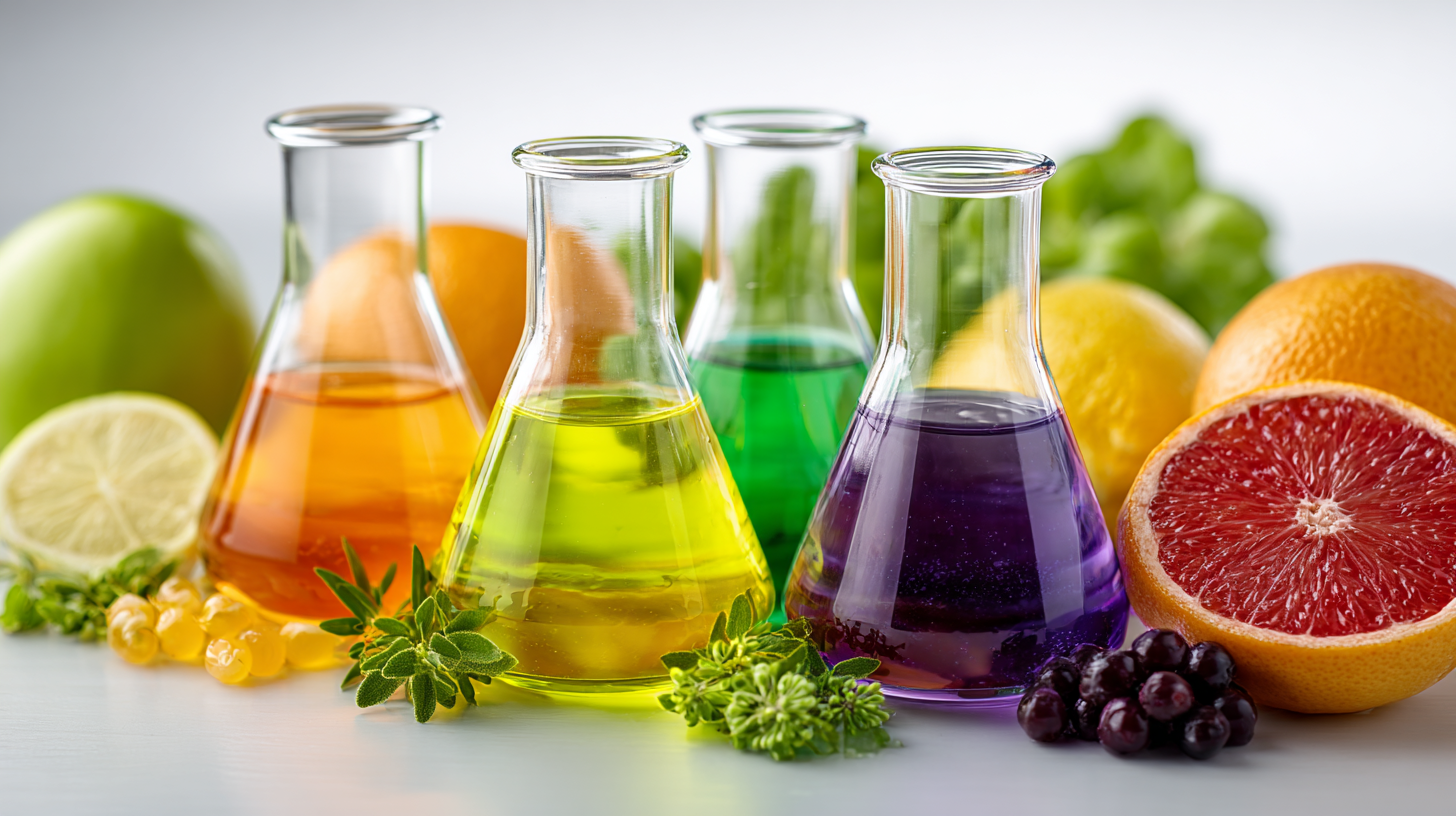
Looking ahead to 2025, it’s pretty exciting how much the cosmetic ingredients industry is about to change. There are some really innovative solutions coming up that are expected to take the lead. I came across a recent market report that estimates the global market for cosmetic ingredients could hit around $23.9 billion by then—mainly because more people are craving natural and sustainable products. At Xi'an Kintai Biotech Inc, we’re all in on these trends. We put a big emphasis on making sure our raw materials are top-notch and safe, thanks to our thorough quality control system. From carefully choosing our planting sites to strict inspections, we go above and beyond to make sure our cosmetic ingredients not only meet but actually surpass what the industry expects. As consumers are getting more picky about what they put on their skin, staying on top of these latest trends and understanding how ingredients are used will be really important for brands that want to stand out and succeed in this competitive market.
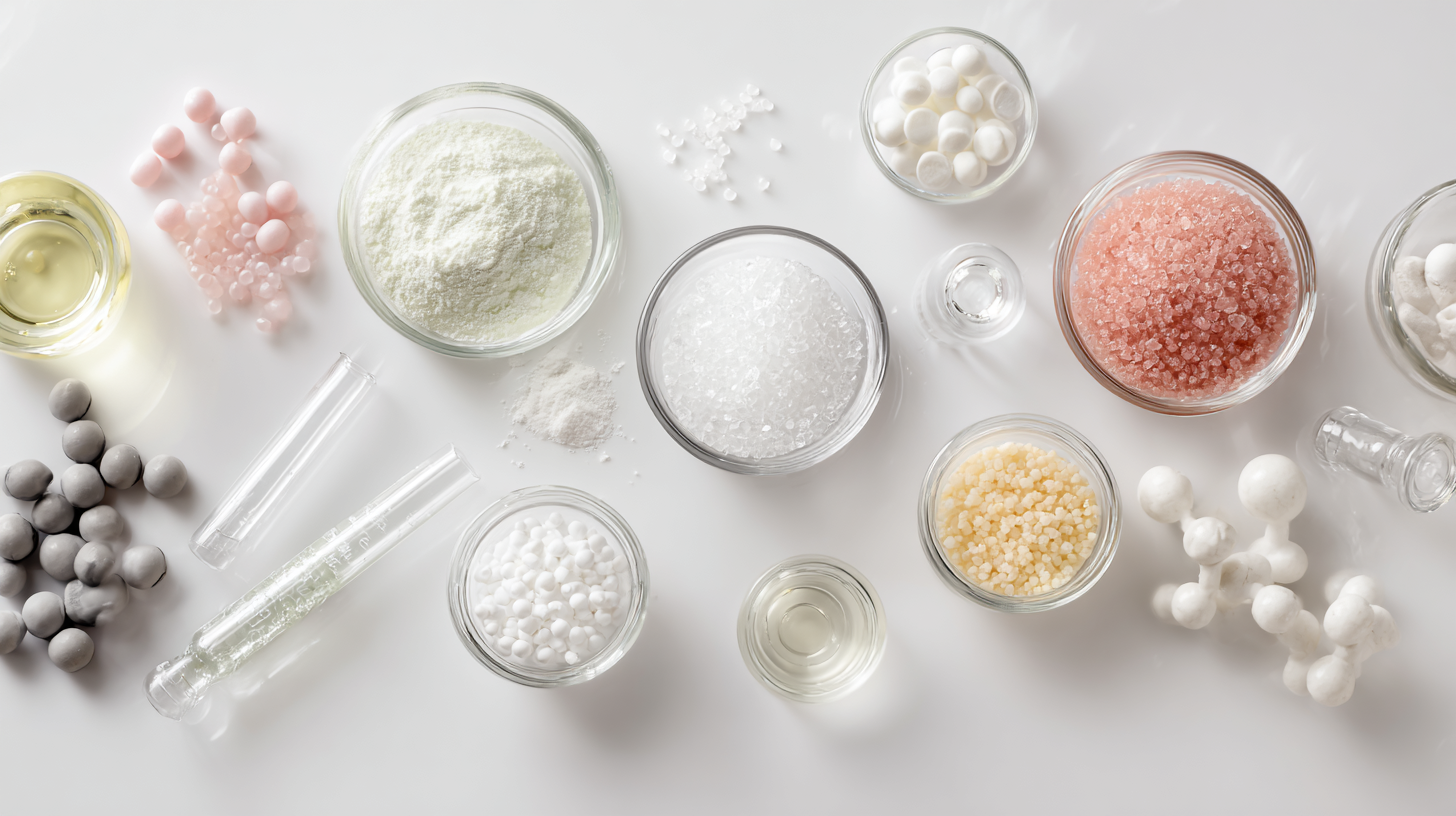
Looking ahead to 2025, it’s pretty clear that the world of cosmetic ingredients is about to go through some big shifts. Thanks to lots of innovation and people really wanting more transparency and sustainable options, things are changing fast. A report from Grand View Research puts the global organic cosmetics market at around $25.1 billion by that time, which shows how much more consumers are leaning towards natural and eco-friendly ingredients. That’s a big deal because it emphasizes how important it is to source raw materials that not only boost product performance but also align with ethical principles.
And it’s not just about natural ingredients anymore. Biotech is really making waves, too. A recent study from Allied Market Research shows that the global market for biotech ingredients is expected to grow at a solid rate of about 9.3% annually from 2020 to 2025. What’s driving this? Innovations like lab-grown collagen and algae-based actives, which are great sustainable options compared to traditional ingredients. These new developments help meet what consumers want — high-quality products that also care for the planet — and they show a real commitment to reducing environmental impact.
So, as we get closer to 2025, it’s all about how sustainability, tech, and what consumers want are coming together to shape the future of cosmetic ingredients. Brands that jump on these trends early will probably come out on top, paving the way for a new kind of beauty products — ones that work well and are ethically made. It’s an exciting time to see how everything evolves!
As we look ahead to 2025, it’s pretty clear that sustainable sourcing is really going to shape the future of the cosmetic world. People are more aware than ever about how their buying habits impact the environment, and that’s pushing brands to focus on using eco-friendly ingredients. This change isn’t just good for the planet — it also hits a chord with customers who want transparency and ethical practices from the brands they support.
If you’re a brand trying to jump on the sustainable bandwagon, here are some tips: partner up with suppliers who genuinely follow eco-friendly practices. Seek out ingredients that come from renewable resources and are harvested or produced with minimal environmental damage. Also, think about switching to biodegradable packaging—that way, everything lines up with your sustainability goals. And don’t forget, sharing the story behind each ingredient can really build loyalty and trust with your customers.
On top of that, innovation in formulations is going to be a big deal in 2025. Brands should get creative with alternative materials that pack a punch when it comes to performance but are still eco-friendly. That might mean reformulating with plant-based oils or natural preservatives that tick all the boxes — quality, safety, and sustainability. By leading the way in eco-conscious ingredients, brands can stand out as pioneers in the industry while doing something good for the environment.
As we get closer to 2025, the beauty industry is really going through some big changes. A lot of it comes down to shifting what consumers want and the rapid tech advancements happening out there. These days, personalization is the hot topic — people are craving beauty products that feel like they were made just for them. Brands are getting pretty clever, using cutting-edge data analytics and AI to craft formulas that match each person’s skin type and specific concerns. Honestly, it’s not just about making people happier with their products; it also builds a stronger connection. When someone feels that a product was made with them in mind, they tend to stick around and become loyal fans.
In this new world, cool tech like AI-powered skincare devices and custom manufacturing on demand are making personalized cosmetics more accessible than ever before. Some companies are even teaming up with tech firms to bring smart solutions into the mix — tools that analyze what you need and deliver bespoke products quickly. This mix of beauty and high-tech is really set to change the whole customer experience, and personalized skincare might just become the new standard. As brands ride this wave, those that truly embrace personalization—without sacrificing quality or sustainability—are probably going to lead the pack in 2026 and beyond.
The future of developing beauty ingredients is looking pretty exciting— it's on the verge of a total game change, thanks to new technologies that make discovering and formulating ingredients way easier. As more folks today are craving clean, effective, and eco-friendly beauty products, companies like Shiru are really stepping up. They've recently secured $16 million in funding, and their goal is to shake up the industry using AI for protein discovery. They’re all about using data-driven methods to keep up with what consumers are really looking for these days.
By bringing in advanced tools like AI and machine learning, R&D can become a lot faster and more efficient. Some reports suggest this tech could cut down the time it takes to get products to market by about 30%. That’s huge because it means brands can react faster to new trends and changing preferences. Plus, with a strong emphasis on sustainability, sourcing high-quality raw materials has become super important. Companies like Xi'an Kintai Biotech do a great job here—they have strict quality controls from the moment the ingredients are planted all the way to packaging, making sure only the best ingredients get used.
A few tips for brands out there:
As we head into 2025, the world of cosmetic ingredients is changing pretty rapidly, mostly because of new regulations coming into play. These updates mean brands really have to tighten up their safety checks and sourcing methods, which often means rethinking their formulations to stay compliant. For companies in the beauty biz, it’s crucial to keep up with these rules—not just to stay in the game but also to meet the increasing demand from consumers who really care about transparency and sustainability.
A good tip? Brands should invest in ongoing education and training for their R&D teams. Keeping everyone up-to-date on the latest regulations helps them adapt quickly when new rules pop up, saving a lot of headaches down the line.
Plus, these regulatory shifts are encouraging the development of new, more sustainable ingredients. We’re seeing more companies exploring plant-based options and using green chemistry principles in their products. It’s a win-win; it ticks the regulatory boxes and really hits home with eco-conscious shoppers.
Another tip—bringing regulatory experts into the mix early during product development can make a huge difference. Getting compliance checks done at the start helps avoid wasting time and money later, making the whole process smoother and more efficient.
Lately, the clean beauty movement's really taken off. I mean, a 2022 report from The NPD Group shows that sales of clean beauty products in the U.S. grew by about 25% compared to the year before—pretty impressive, right? And honestly, it's kind of a big deal because it’s outpacing the overall beauty market. This whole shift seems to be driven by consumers wanting more transparency and sustainability in the products they use. As people become more aware of the possible risks linked to synthetic ingredients, brands are starting to focus more on formulations that aren’t just effective but also healthier for us and better for the planet.
Here at Xi'an Kintai Biotech Inc, we totally get how important this trend is. That’s why we’re all about sourcing high-quality ingredients that meet those changing expectations. We’ve got a strict quality control process in place—every raw material comes from carefully monitored planting bases—so we can be sure they’re safe and work well. Plus, a recent study from Grand View Research predicts that the global clean beauty market will hit around USD 22 billion by 2024. That’s not just a sign of how popular clean products are but also a clear indication that the industry is moving towards more natural and organic options. For us, focusing on quality and safety isn’t just a business thing—it’s about meeting the high standards of consumers who are really looking for clean, trustworthy beauty solutions.
: Sustainable sourcing refers to the practice of prioritizing eco-friendly components in cosmetic products, ensuring that ingredients are derived from renewable resources with minimal environmental impact.
Consumers are increasingly seeking personalized beauty solutions tailored to their individual skin types and concerns, driving brands to adopt advanced data analytics and AI for customized formulations.
Innovative technologies, such as AI and machine learning, are revolutionizing ingredient discovery and formulation, making personalized and sustainable cosmetic solutions more accessible.
Transparency in ingredient sourcing and quality builds trust with consumers, who are increasingly aware of the environmental impact of their purchasing choices.
Brands can partner with eco-friendly suppliers, use renewable ingredients, implement biodegradable packaging, and engage consumers in the story behind their products.
Personalized formulations enhance customer satisfaction by addressing specific skin concerns, making consumers feel more connected to products tailored just for them.
Incorporating AI into ingredient development can reduce the time-to-market by up to 30%, enabling brands to respond swiftly to shifting trends and consumer demands.
Brands should invest in AI-powered platforms for ingredient optimization, emphasize transparency in their sourcing practices, and stay updated on emerging technologies that enhance sustainability and performance.
Engaging consumers in the story behind each ingredient can enhance brand loyalty and trust, as customers appreciate transparency and ethical practices.
Biodegradable packaging aligns with a brand's commitment to sustainability, reducing environmental impact and appealing to eco-conscious consumers.